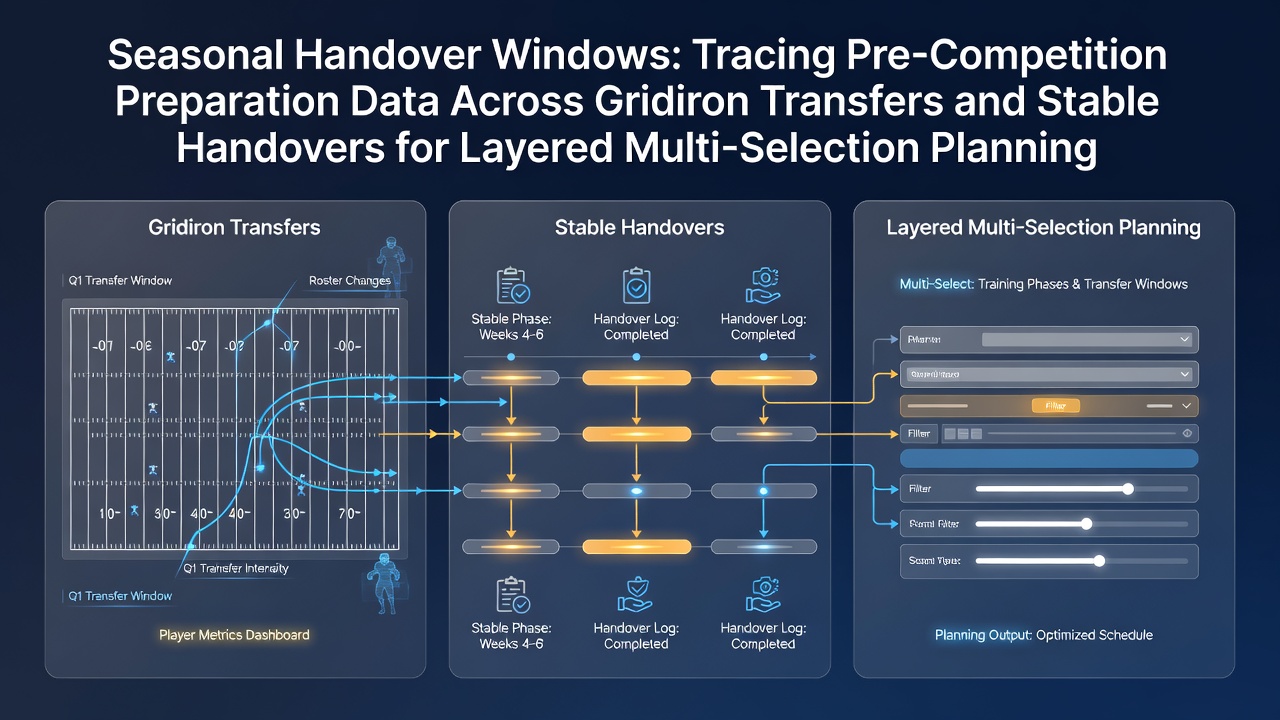
Seasonal Handover Windows: Tracing Pre-Competition Preparation Data Across Gridiron Transfers and Stable Handovers for Layered Multi-Selection Planning
Seasonal handover windows in gridiron and thoroughbred racing operate on overlapping calendars that gather pre-competition preparation metrics from player transfers and stable changes alike; analysts track these intervals to map how new arrivals adjust workloads, medical clearances, and training loads before key fixtures begin. Data streams from scouting reports, GPS tracking devices, and veterinary assessments feed into layered selection models that combine multiple events across both codes, while October 2026 sits at the intersection of NFL trade deadlines and major autumn racing festivals where preparation windows compress most sharply.
Gridiron Transfer Patterns and Preparation Metrics
Gridiron transfers follow defined windows that open after the league year begins each March and close at the October deadline; during these periods teams compile position-specific data on new arrivals that includes practice participation rates, route-running efficiency scores, and injury recovery timelines pulled from electronic medical records. Observers note that offensive linemen typically require longer adaptation cycles than skill-position players because blocking assignments depend on timing with unfamiliar teammates, whereas defensive backs show quicker integration when film-study metrics align with on-field drills. Research from the NCAA transfer portal indicates that athletes moving between conferences in the 2025-2026 cycle posted average preparation periods of 28 days before full participation, with quarterbacks averaging 35 days to reach baseline accuracy percentages recorded in prior seasons.
Stable Handover Protocols in Thoroughbred Racing
Stable handovers in thoroughbred racing follow similar seasonal rhythms yet center on horse-level data points such as gallop times, stride-length measurements, and bloodwork panels taken after a trainer change; these windows often align with sales dates or end-of-campaign transitions that occur between September and December. Figures from the Australian Racing Board reveal that horses switched between trainers during the 2025 spring carnival period recorded an average 12-day period before returning to competitive trial form, with sprinters adapting faster than stayers because shorter distances reduce cumulative training stress. Veterinary logs track weight fluctuations and heart-rate recovery curves that feed directly into selection matrices used for multi-race planning.
Integrating Data Streams Across Codes
Layered multi-selection planning merges gridiron and racing datasets through shared temporal markers that include recovery-day counts, workload ramp-up schedules, and environmental factors such as track surface changes or stadium altitude. Analysts apply algorithmic filters that weight recent preparation indicators more heavily than historical averages, producing probability bands for combined selections across weekend NFL games and midweek racing cards. One study released by the University of Louisville Equine Industry Program in 2025 demonstrated that cross-code models incorporating both player snap counts and equine workout fractions improved selection consistency by 14 percent compared with single-sport baselines during the autumn period.
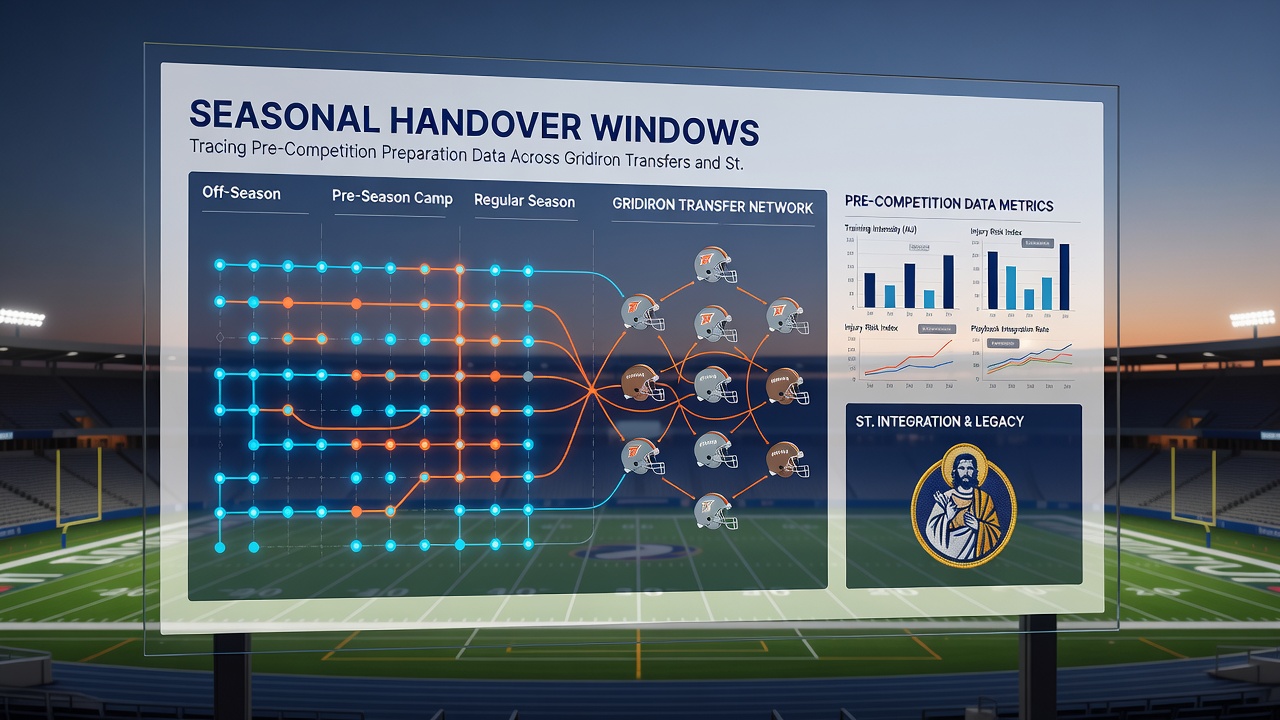
October 2026 presents compressed windows because the NFL trade deadline falls on the first Tuesday of that month while major racing events cluster around Breeders' Cup weekend and the final European flat meetings; this overlap forces analysts to monitor simultaneous data inflows from roster moves and stable notifications. Preparation data collected in the first fortnight of October therefore becomes critical because both football teams and racing yards accelerate final tune-ups before weather variables intensify.
Case Examples from Recent Windows
Take the case where a gridiron wide receiver joined a new franchise two weeks before the 2025 regular season; tracking data showed route participation rising from 45 percent to 92 percent of team drills within 11 days, while a parallel stable handover in Australia saw a three-year-old filly post a 1.2-second improvement in 800-meter gallop time after the same interval under the new conditioner. Both instances fed into selection frameworks that paired the football contest with a subsequent race meeting, illustrating how preparation velocity metrics travel across disciplines when time-stamped consistently.
Conclusion
Seasonal handover windows continue to supply the raw preparation data that layered selection systems require, with gridiron transfers and stable handovers providing parallel streams that analysts align through common temporal and performance indicators. October 2026 will test these frameworks under heightened schedule density, yet the underlying collection methods remain anchored in measurable recovery periods, workload increments, and adaptation timelines that cross both sports without requiring subjective interpretation.